Reinfrocement Learning
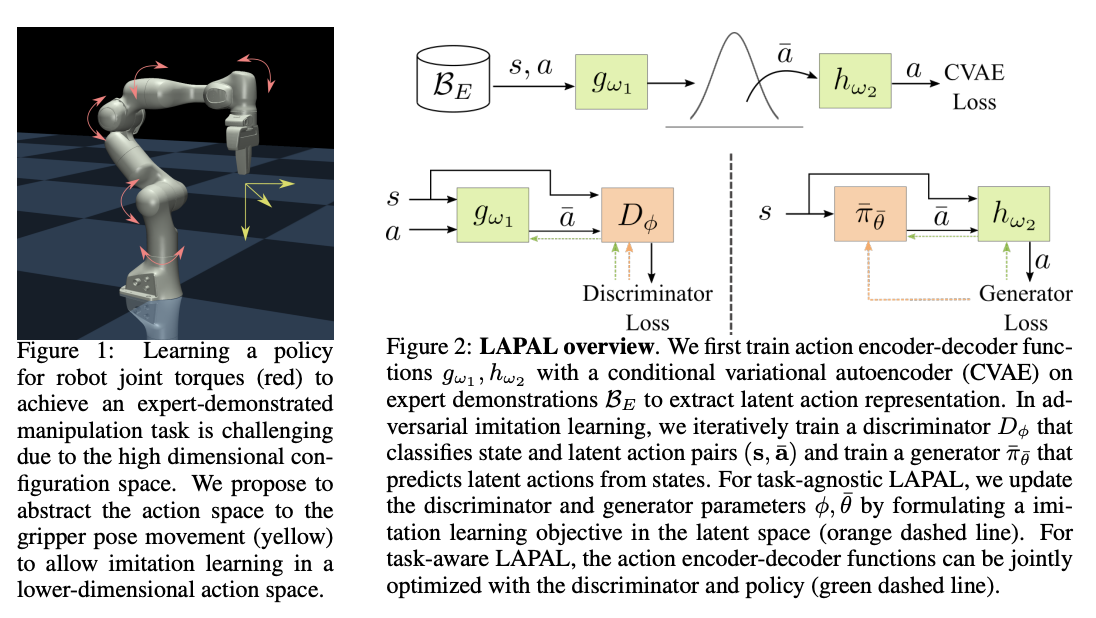
Adversarial Imitation Learning in Latent Action Spaces for High-Dimensional Control
This work introduces a latent-action imitation learning approach using adversarial training and conditional VAEs to improve sample efficiency and generalization in complex robotic manipulation tasks.
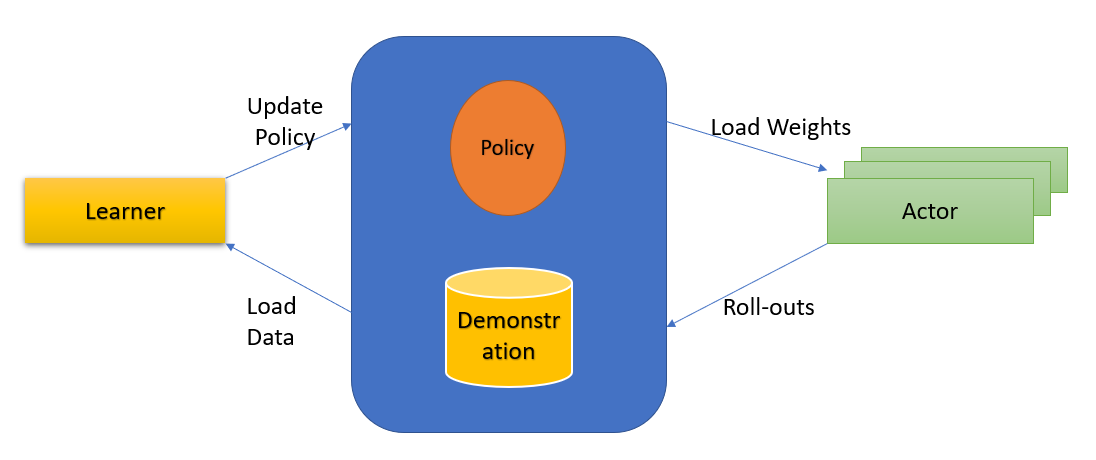
Learn Policy for Google Football Environment using Actor-Critic
In this project, we implemented Actor-Critic Reinforcement algorithm for learning an agent to play soccer in Google Football environment.
Autonomous Driving
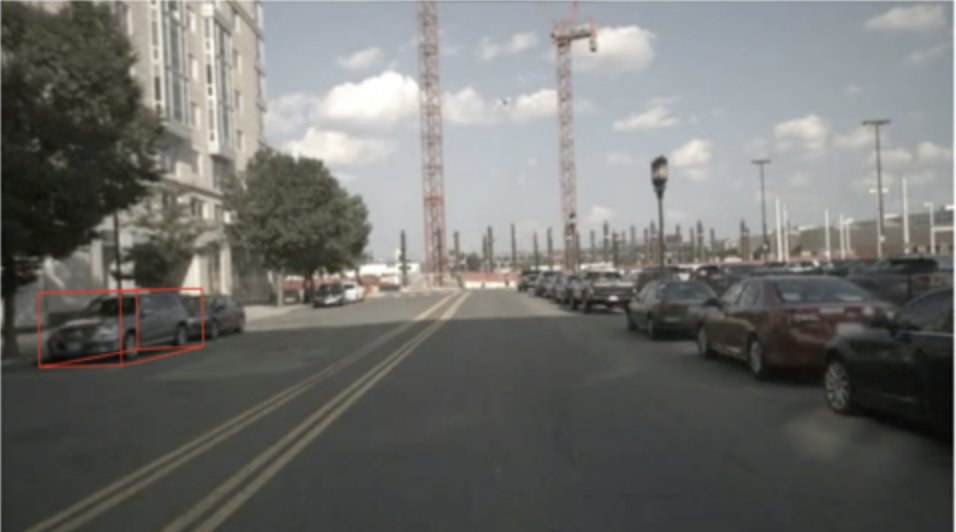
Visual Grounding of Objects for Autonomous Vehicles
Built models to ground objects mentioned in passenger commands within the vehicle’s camera feed, enabling natural‑language control of self‑driving cars.
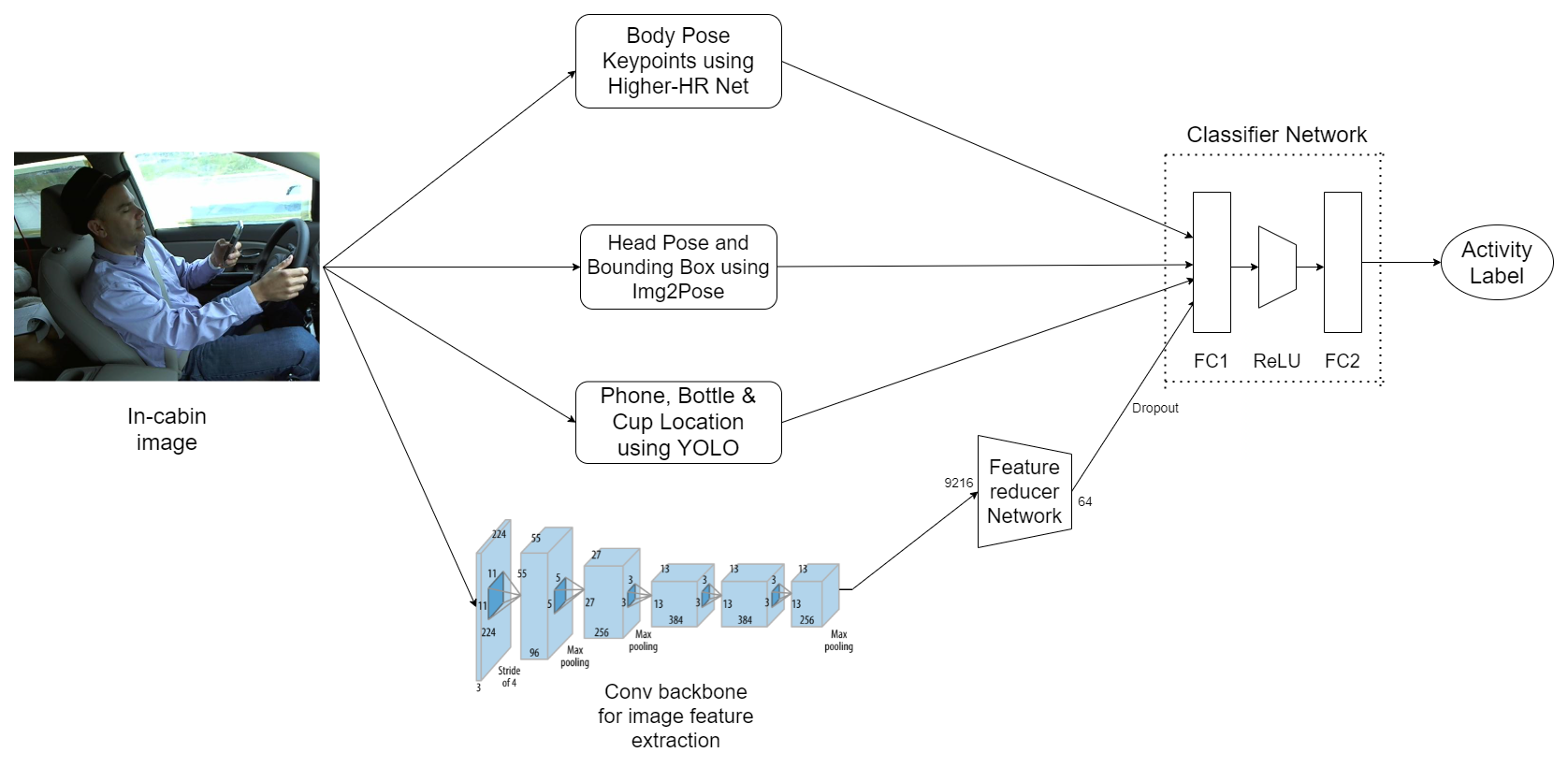
In-cabin Activity Taxonomy using Body Pose Features
In this project, we evaluate the impact of extracting intermediate features related to the driver like face-pose, body-pose and presence of different objects on the accuracy of predicting in-cabin activities in the context of autonomous vehicles which ultimately helps in determining if driver is driving safely.
Deep Learning
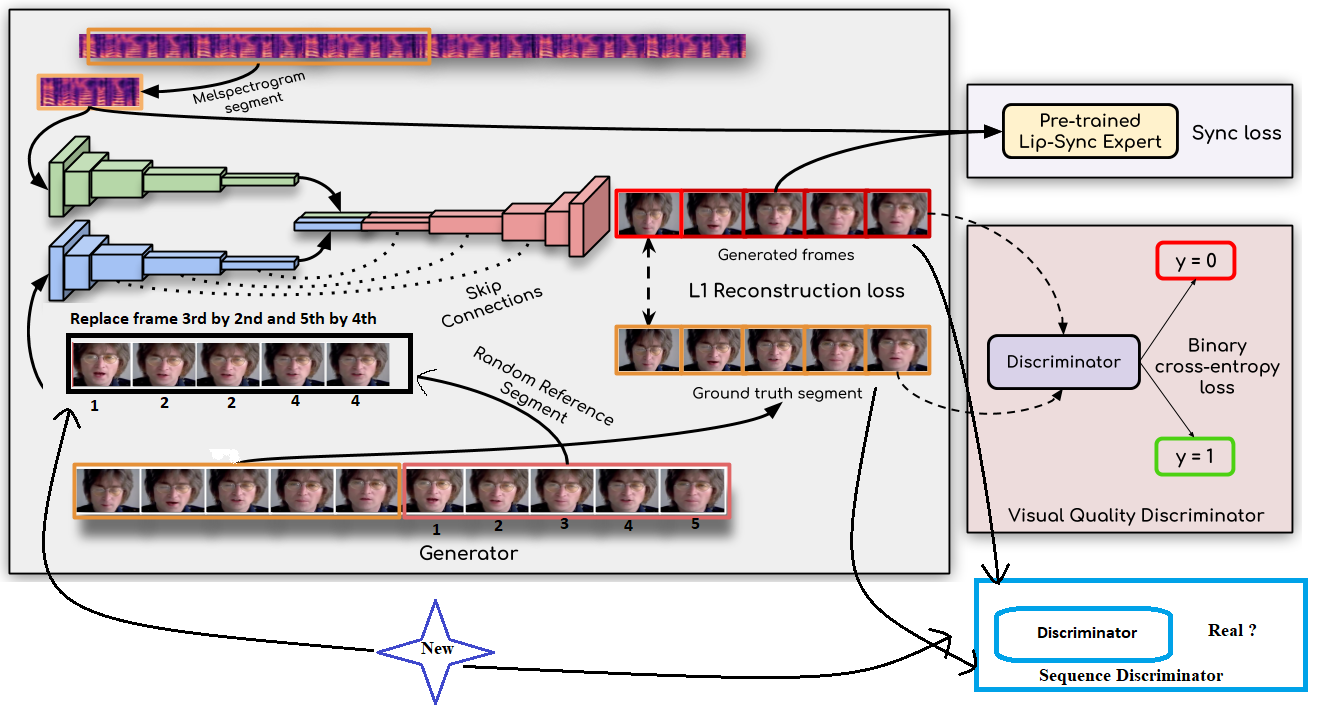
Generative model-based video compression
In this paper, we propose a new method of recovering high-quality video conferencing streams from low frame rate video streams using deep learning. As a baseline, we propose a scheme using existing frame interpolation methods and lip movement generation methods, which we fine-tune to fit our particular use case. Then we introduce Wav2FSS, a novel end-to-end framework capable of generating a high-quality reconstruction of the speaker’s face. When validated against our baseline, this model proves to be state-of-the-art.
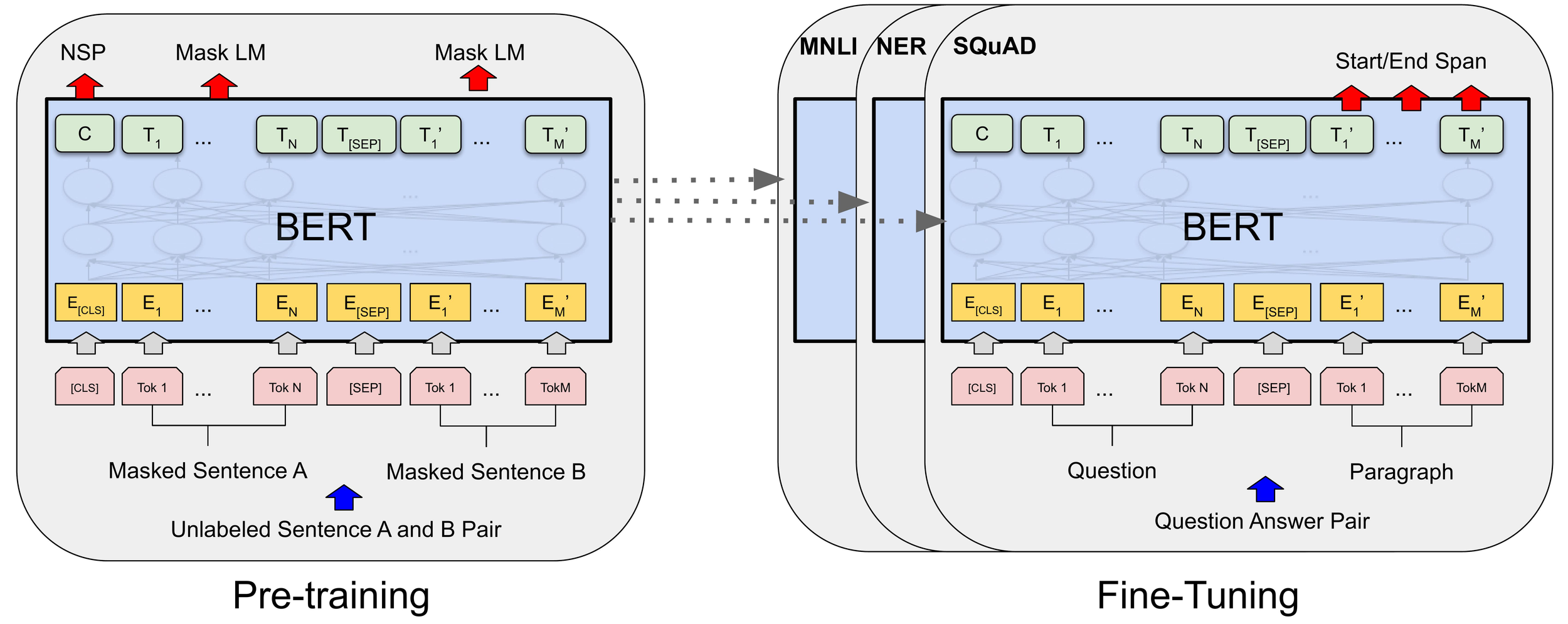
NER in Synthetic Biology related articles using BERT
In this project, we are developing a model using BERT as backbone for NER in Synthetic Biology related articles for entities like Gene, Chemicals, Species, Cellline, etc.
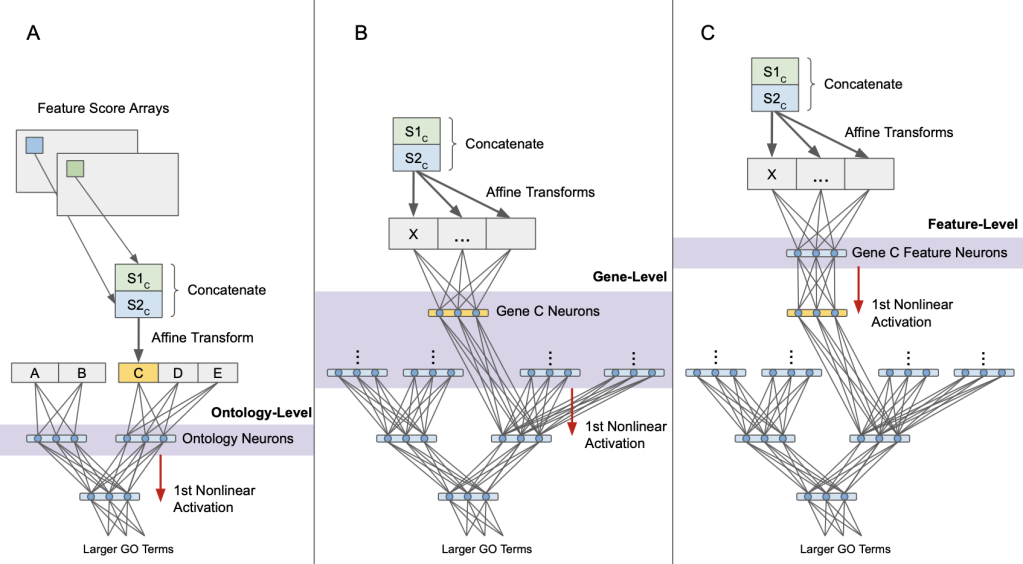
Cancer Lineage Subtype Classification Using Gene Hierarchy-Based “Visible” Neural Networks on Tumor Mutations
In this paper, we developed a “visible” neural network capable of predicting tumor type and subtype based solely on tumor sequencing data. This model uses the Cancer Dependency Map (DepMap) database, which contains all necessary genetic and cell line information. The model architecture is based upon previously described hierarchy-based networks that connect neurons based on cell process interactions described in the Gene Ontology (GO) Resource, a manually curated database mapping genetic interactions.